Year
Mar 2025
Tech stack
React, TypeScript, Vite
Gemini API, Supabase
Capacitor
type
Individual Project
Role
Product Designer & Full-stack Developer
DELIVERABLES
Functional iOS APP
Info Architecture
Interaction System
Background

Problem Statement
Research & Insights
Through workflow mapping, I identified two fundamental disconnects in how people currently attempt to plan complex trips:
The Cognitive Load of Toggling Between Space and Time
Current tools offer only geographical or chronological views, forcing users to manually verify route efficiency by constantly switching contexts.
The High Friction of Coordinate Group Ideas
Turning informal chat suggestions into structured plans is time-consuming. Instead, collaborative workflows should treat proposals as actionable data that can be converted into itinerary stops with a single click.
Design Strategy
The strategy is to create a unified surface by combining map interaction, data entry and group collaboration into a single automated ecosystem that preserves creative focus.
technology
I designed the architecture to bridge the gap between flexible AI logic and deterministic data persistence, ensuring a high-performance environment for real-time group collaboration.

DEsign Principles
To ensure a coherent experience across the map and itinerary, I drafted two core design principles:
PRODUCTION
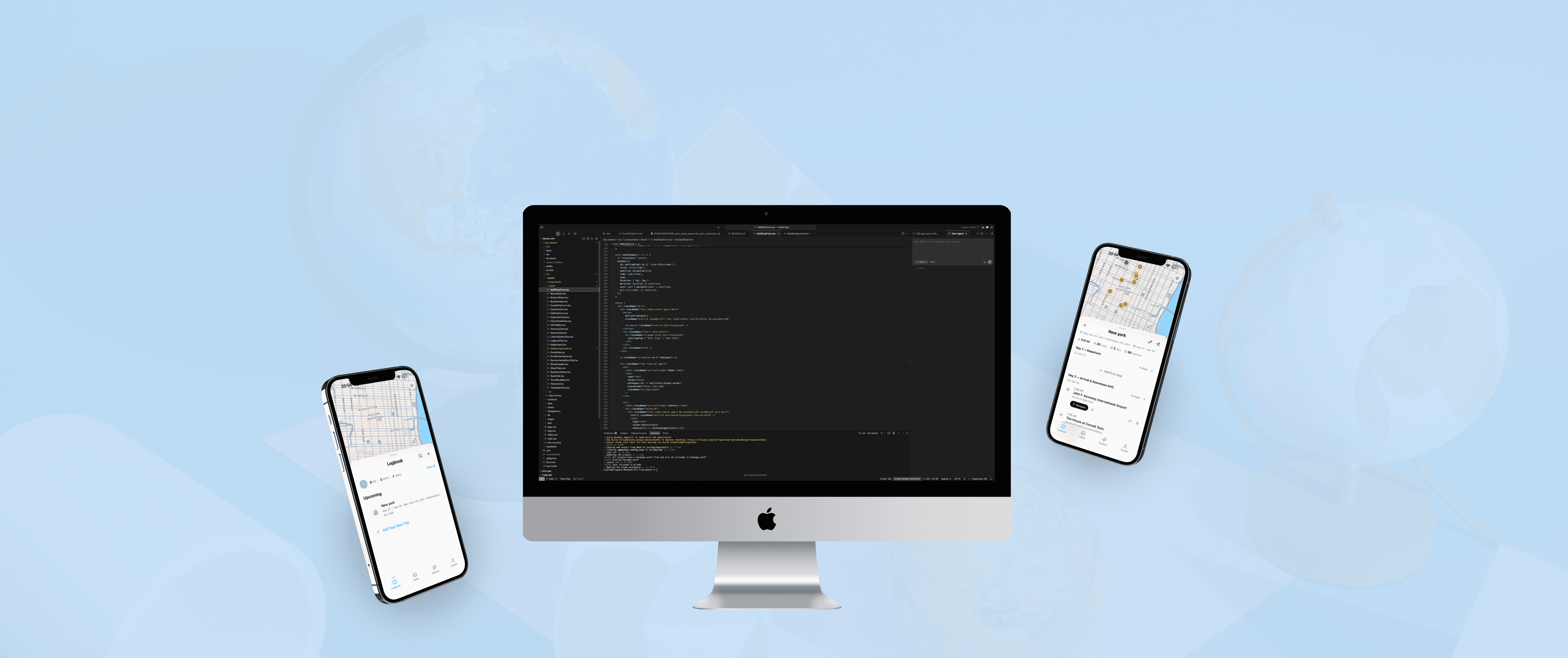
Design-to-Code in Parallel
Final Design
Travel with frictionless collaboration.
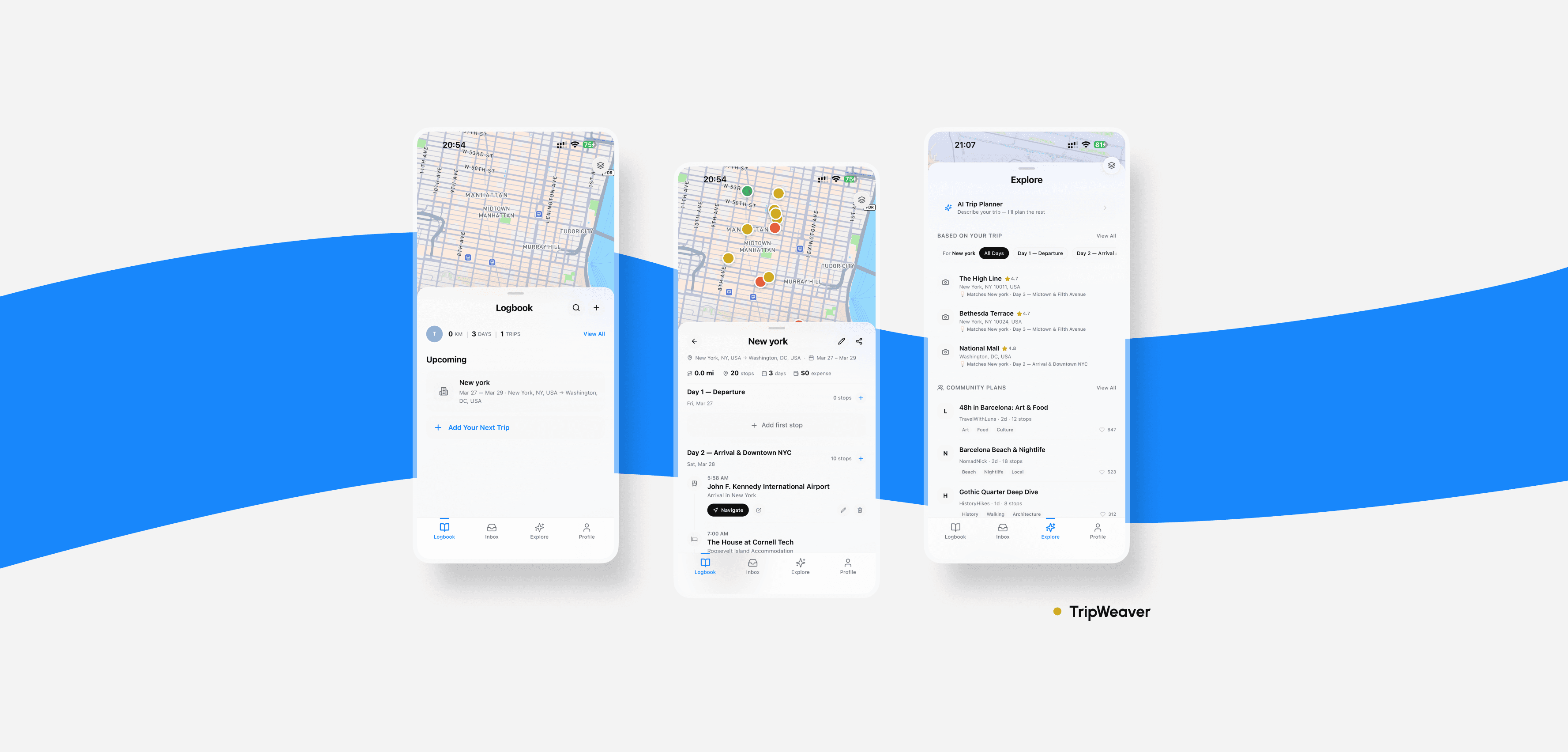
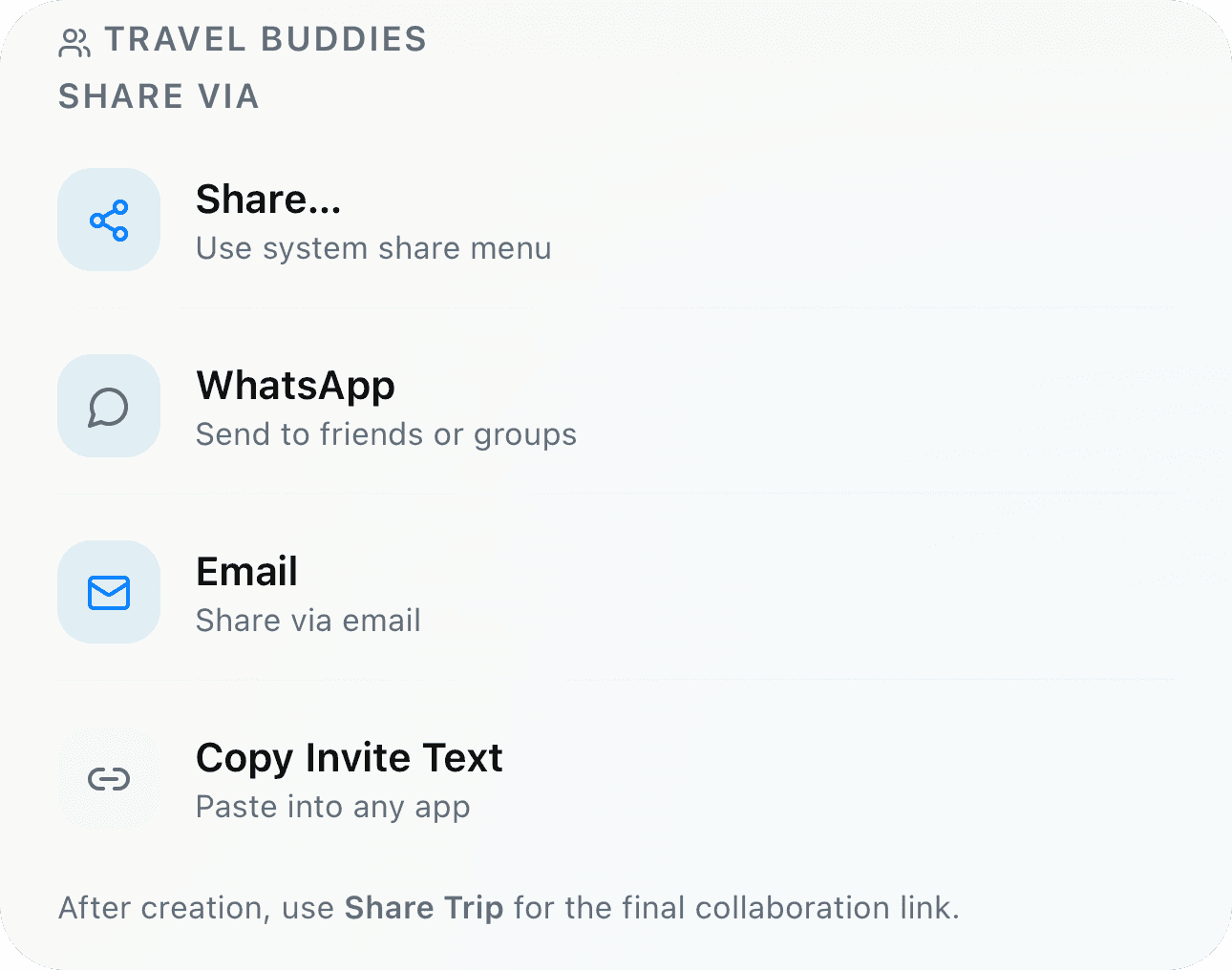
A map-centric interface that unifies discovery and scheduling on a single screen. Using a bottom-sheet layout, it allows users to manage trip stops while maintaining spatial context, seamlessly turning raw inspiration into a structured group itinerary.
Before
After

OUTCOME
Friction, Simplified
Reduced the journey from discovery to a coordinated itinerary from 6 manual steps to 2 integrated actions.
Decisions at Velocity
Consensus time for group choices dropped by replacing disorganized chat logs with a structured Decision Inbox.
If I had more time…
I would evolve the platform with immersive 3D spatial storytelling, robust offline synchronization for remote environments, and quantitative benchmarking to validate route optimization efficiency.